

This cancer grows in the vagina. It’s uncommon, but early checks with Pap and colposcopy catch it fast. Dr. Bruce Semo at Irys offers gentle care in Nairobi. You’re Not Alone.
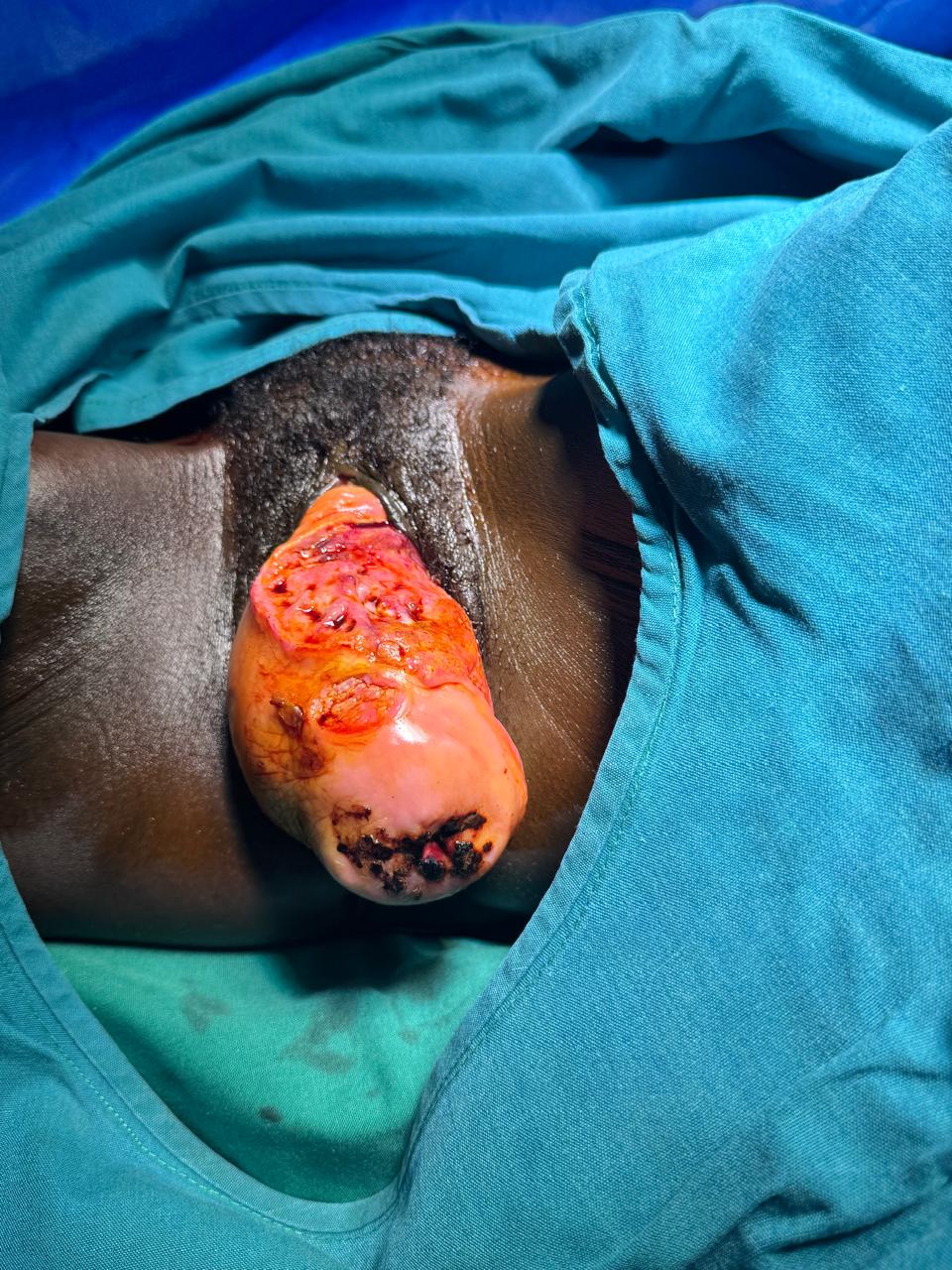
It starts in the vagina — the tube from the cervix to the outside of the body.
Most cases are in women over 60. It’s very rare — less than 1 in 100,000 women.
HPV (Human Papillomavirus) causes most vaginal cancers.
High-risk HPV can stay in the body and turn normal cells into cancer over years.
Other risks: smoking, past cervical cancer, or DES exposure in the womb.
| Sign | What It Feels Like |
|---|---|
| Bleeding after sex | Spotting or bleeding after intimacy |
| Watery discharge | Clear or pink fluid, sometimes smelly |
| Pain during sex | Discomfort or burning |
| Lump in vagina | Firm mass you can feel |
Catches early changes
Done every 3–5 years
Zoom in on vagina
Tiny sample taken
Laser or topical cream
Removes bad cells
Radiation
Shrinks tumor
Surgery + chemo
Removes cancer
How: Quick swab of vagina and cervix
Time: 3–5 minutes
Pain: Mild discomfort
Result: 3–5 days
Magnifying scope looks inside vagina.
Small biopsy if needed.
High-energy laser removes abnormal cells.
Done in clinic.
No cutting.
Back to normal in 2–4 weeks.
Removes part of vagina
Reconstructs with skin graft
Removes entire vagina
With radiation or chemo
Every Friday at Irys Medical Center
“Any change down there? Come see me.”
Book Check-Up